One Blessed Teacher Embroidery Design Review: A Practical Look
When you get a design file, especially one titled One Blessed Teacher, your first thought goes beyond the download. You're thinking about how it will look stitched out on a real project, whether it carries the right feeling, and if the technical details will let you create something your client or customer will truly love. As someone who stitches designs for both personal gifts and commercial projects, I approach every file with this mindset. Let’s break down this particular embroidery design from a purely practical, in-the-hoop perspective.
The Immediate Mood & Where It Belongs
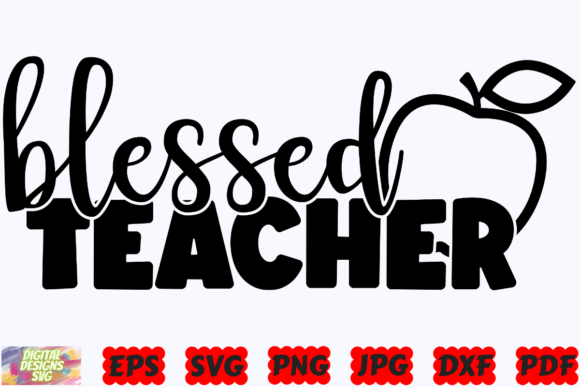
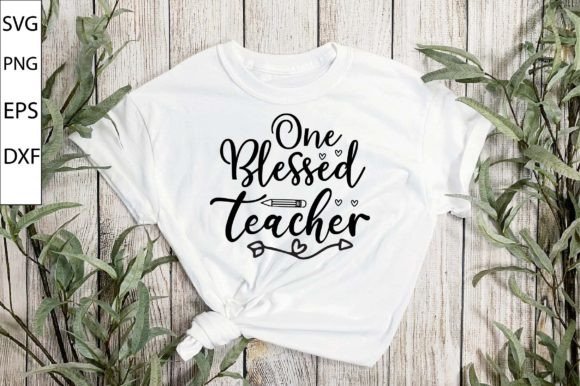
The phrase "One Blessed Teacher" instantly evokes warmth and gratitude. It’s not flashy or overly decorative; it’s sincere. This makes it a prime candidate for personalized gifts and heartfelt handmade products. The layout likely focuses on clean lettering with perhaps a simple, elegant accent—think a small flourish or a subtle graphic element. This isn’t a design shouting from a loud t-shirt; it’s one meant for a keepsake. My mind immediately goes to a beautifully embroidered pillow cover for a teacher’s home, a custom apron for a classroom volunteer, or a delicate stitch on a tea towel as a end-of-year present. The visual personality is appreciative and classic, which means it fits boutique-style craft business items perfectly.
Performance in Real Project Scenarios
So, how does this design translate into actual stitching? For custom apparel like sweatshirts or polos, the clarity of the wording is paramount. On a mid-weight fabric, with proper stabilizer, a well-digitized file should produce crisp satin stitches or clean fill stitches for the letters. On a tote bag, it becomes a statement of thanks, durable enough for daily use. For baby clothes or blankets intended as gifts from a teacher’s student, scaling it down carefully is key—you want it to be charming, not overwhelming.
As an embroidered patch, this design could be incredibly versatile. A teacher could attach it to a bag or a journal. For Etsy sellers and small shop owners, offering a finished patch opens up a product line. In commercial embroidery projects, like a batch of caps for a school staff event, the design needs to stitch out reliably and quickly. The included file formats—SVG, PNG, EPS, DXF—suggest it’s a vector file, which is excellent for resizing without quality loss. This is crucial when adapting the design for a small baby embroidery project on a 4-inch hoop versus a large tote bag design on a 8-inch hoop.
Where Caution is Needed: The Designer’s Notes
Not every design is perfect for every surface. With a theme like this, which likely relies on clear lettering, there are a few situations where I’d proceed with extra care. On very textured fabrics like certain linens or knits, small details can get lost. On stretchy fabric without robust stabilization, lettering can distort. Dark fabric requires thoughtful thread color contrast—a white or light thread might be ideal, but you must test.
If the design has any tiny lettering or intricate decorative accents, stitching it on a curved surface like a cap can be tricky. The stitch density needs to be appropriate; too dense on a thin baby clothes fabric can cause puckering. Also, for products destined for frequent washing, like kitchen towels or aprons, you want to ensure the embroidery is secure and the thread choices are durable. Always, always test the design on scrap fabric first using the same material and stabilizer you plan for the final project.
Visual Appeal & Business Value
How does using this embroidery file affect your final product’s appeal? A clean, well-executed “One Blessed Teacher” stitch adds perceived value. It feels professional and thoughtful, which builds customer trust. For a creative entrepreneur, it enhances brand consistency if you specialize in gratitude-themed gifts. The giftability is high—people are looking for meaningful presents, and this design delivers that sentiment directly.
For digital product sellers who might use this as part of a printable mockup to showcase their finished work, the clean design makes for an attractive preview. In a craft fair setting, an embroidered item with this phrase has immediate recognition and can engage buyers quickly. It speaks to a specific, appreciative emotion. However, the professionalism of the final piece hinges entirely on your embroidery skill and the file’s technical quality. A ragged stitch or poorly balanced design undermines the heartfelt message.
Practical Steps Before You Stitch
Before loading this file into your machine for a real client project or small shop merchandise, here’s my routine. I inspect the small details in the file preview at various sizes. I check thread color contrast by imagining it on both light and dark backgrounds. I test it in black and white mockups to see if the composition holds up without color. I confirm the intended hoop size for my project is suitable—some designs with fine details struggle in very small hoops.
Crucially, I verify the licensing. The product description mentions file formats for use, but it doesn’t explicitly state the license terms. I confirm licensing before selling finished items or digital products. Can I use it for commercial embroidery projects? Can I sell the physical embroidered patch? This is a non-negotiable step for any craft business owner. Also, while the description says “100% vector file” and “easy to resize,” I still do my own resizing tests to ensure the stitch density and integrity of details remain intact at my target size.
The Final Take: A Design with Heart & Utility
One Blessed Teacher as an embroidery design is less about technical complexity and more about emotional resonance. It’s a workhorse for thoughtful projects. In my hands, I’d likely use it for a high-quality personalized gift—perhaps a beautifully framed embroidered piece for a retiring educator. For my Etsy listings, it would be a core design for a “Teacher Appreciation” collection, applied to pillow covers and aprons.
The utility comes from its straightforward theme and the promise of versatile file formats. Its success, however, depends on your practical approach: testing, choosing the right fabric and thread, and pairing it with a project that deserves its sincere message. When stitched well, it turns a simple phrase into a tangible, lasting token of thanks—exactly what a good embroidery project should do.