A Practical Review of the Dance Teacher Embroidery Design
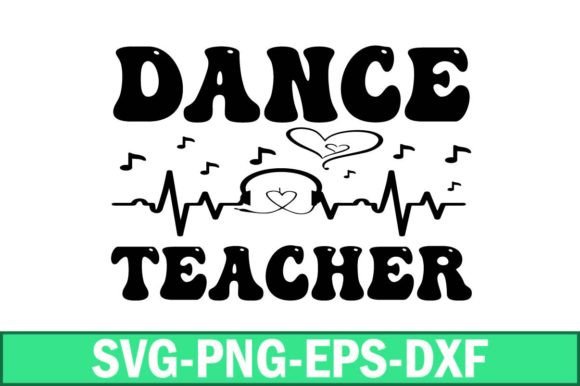
As a designer who regularly evaluates digital files for real embroidery work, my first step is always to visualize the design not on a screen, but on fabric. The Dance Teacher SVG design presents a clear, thematic illustration centered around the role of an instructor. The mood is celebratory and professional, with a layout that feels balanced and ready for stitching. Its visual personality leans towards recognition and tribute, making it a natural fit for personalized gifts or merchandise aimed at dance communities.
First Impressions: Where This Design Naturally Belongs
The artwork’s shape and detail level suggest it would excel as a focal point on a stable fabric. I immediately picture it on the back of a dance studio’s staff sweatshirt or as a beautifully embroidered patch on a tote bag for a teacher’s gear. The theme is specific, which is a strength; it speaks directly to a niche audience. For crafters and small business owners, this means the design has inherent giftability and recognition value. It’s not a generic graphic, so its appeal is tied to meaningful occasions—a retirement gift, a thank-you present, or branded apparel for a dance school.
The Real-Life Embroidery Scenario: A Custom Tote Bag Project
Let’s walk through a typical use case. Imagine you’re an Etsy seller preparing a custom embroidered tote bag for a client who wants to surprise their daughter’s ballet teacher. You’ve downloaded the ZIP folder containing the separate SVG, PNG, EPS, and DXF files. The multiple formats are crucial here. For my embroidery machine, I’d likely use the SVG or DXF to size and position the design within my software. The PNG is excellent for creating printable mockups for my shop listing or sending a preview to the client.
On a sturdy canvas tote, the design’s clarity would be key. I’d consider how the potential satin stitch areas and any fill stitches would translate. Would the details remain crisp? This is where thinking about stitch density becomes practical. A design with very small, intricate elements might require adjustment for clean stitching on a textured fabric like canvas. The provided file quality, as noted, should be suitable, but the real test is on the machine and hoop.
Performance Across Different Products and Fabrics
This Dance Teacher design has versatility within its niche. Beyond the tote bag, it could shine on:
- Custom apparel: A well-placed embroidery on a polo shirt or sweatshirt for studio staff.
- Baby clothes or nursery decor: For a child of a dance teacher, a smaller version on a baby blanket creates a heartfelt personalized gift.
- Home goods: A pillow cover or tea towel for a teacher’s home studio.
- Boutique merchandise: Sold as finished embroidered patches or caps at a craft fair targeting local dance schools.
However, its application needs careful consideration in certain situations. On very stretchy fabric like a thin t-shirt, proper stabilizer is non-negotiable to prevent distortion. Embroidering on curved surfaces like caps requires checking the design’s layout to ensure important elements don’t get lost on the seam. If the design contains tiny lettering, its stitching clarity on dark fabric depends heavily on thread color contrast. Always test on scrap fabric first.
How the Design Affects Your Project's Value and Appeal
Using a clean, thematic design like this directly impacts customer trust and the perceived value of your handmade product. When the embroidery is crisp and the theme resonates, it feels professional and thoughtful. For a creative entrepreneur, this supports brand consistency if you specialize in tribute or educator-themed items. It elevates a simple item from a basic craft to a meaningful keepsake, which boosts buyer engagement in your listings.
Practical Notes for the Embroidery Designer
Before running this machine embroidery file on a final project, my workflow includes several checks:
- Test the embroidery file on a scrap of the actual fabric I’ll be using, checking for thread pulls or density issues.
- Review the design in my software at the intended hoop size. Does it fit comfortably within my standard hoop for the product?
- Inspect small details. Are there any corners or accents that might become too dense or too sparse when stitched?
- Create black and white mockups, and visualize it on both light and dark fabric backgrounds to plan my thread palette.
- A critical, often overlooked step: confirm the licensing terms for this digital embroidery file. Is it clear that these quality files are suitable for commercial use? Before selling finished items or incorporating it into digital product previews for my shop, I must understand my rights. The description states it’s suitable for use, but I always double-check the specific license provided by the designer.
Final Thoughts on Stitching Success
The Dance Teacher SVG design, from the Crafts and Graphics category, is a thematic asset with strong potential for targeted projects. Its success in a real embroidery project hinges not just on the digital file itself, but on the preparer’s diligence. For apparel decorators and makers, it’s a design that asks you to consider the recipient and the product’s purpose. It’s likely to stitch out well on stable fabrics for personal gifts or small shop merchandise, provided you manage the technicalities of your machine, stabilizer, and fabric choice. Approach it with a practical eye, test thoroughly, and it can become a reliable part of your portfolio for honoring the dance educators in your clients’ lives.