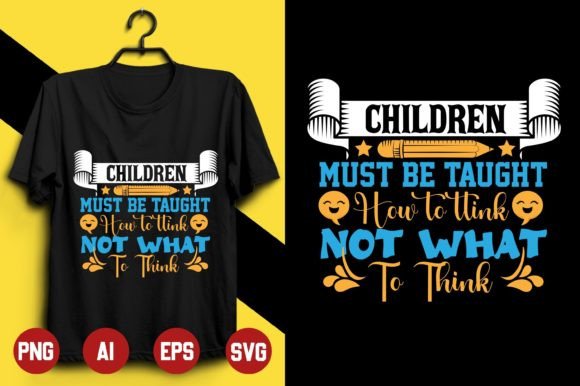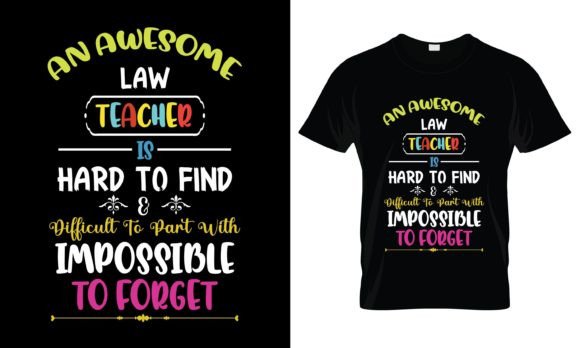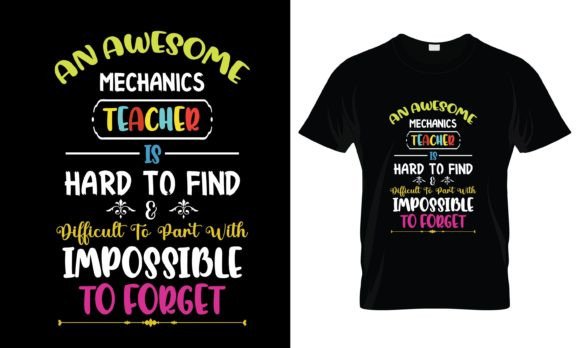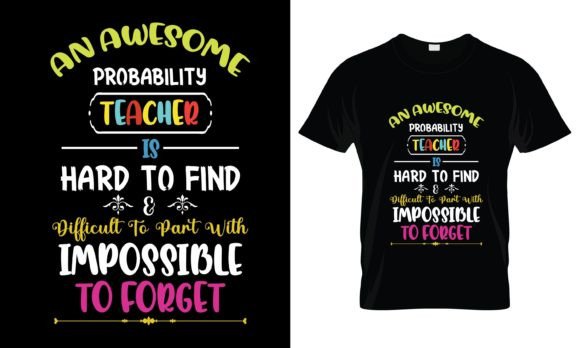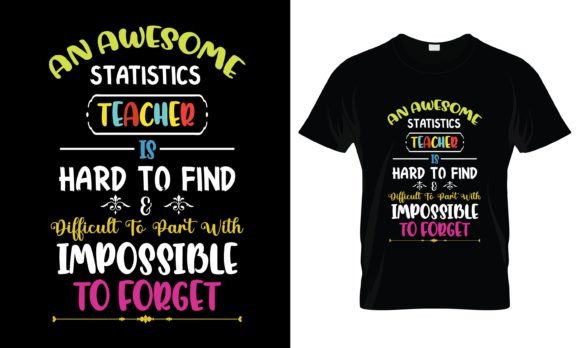
A Practical Look at the Teacher T-Shirt Design
Whenever a design file lands on my desktop, my first question is never about its aesthetics alone. It’s about its practical soul. How will this translate from a digital graphic to a tangible, stitched product? The Teacher T-shirt Design -19 poses that exact question. At first glance, its stated theme is clear—it’s a celebration of the teaching profession. But for anyone planning to use this as an embroidery design, the real work begins in interpreting how that theme will live on fabric.
The Design’s First Impression & Project Personality
The design feels purpose-built. It doesn’t strike me as a generic, all-purpose graphic; it has a focused, declarative mood. This isn’t a subtle background pattern. It’s a statement piece. That personality immediately suggests specific project lanes. It naturally belongs to custom apparel meant for recognition and pride—think teacher appreciation gifts, personalized sweatshirts for educator teams, or even boutique products for school-themed stores. The layout and detail level seem geared toward being a central, celebrated element on a garment, not a tiny accent.
Imagine using this for a custom embroidered tote bag for a retiring teacher. The design would become the focal point, a badge of honor. On a high-quality sweatshirt, it could convey a sense of professional community. This is a design that carries emotional weight, which is a powerful starting point for any embroidery project aimed at gifting or creating meaningful merchandise.
Performance Across Real Embroidery Projects
In practical application, this design’s clarity is paramount. For machine embroidery, the translation from graphic to stitch will define its success. On standard custom apparel like t-shirts and sweatshirts, with proper stabilizer, it should achieve a clean presentation. For heavier items like tote bags or aprons, the stitch density needs to be robust enough to stand out without puckering the fabric.
It could shine on baby clothes as a sweet, personalized gift for a teacher-parent, but careful hoop size and fabric choice would be crucial to avoid overwhelming a small garment. As an embroidered patch, it would offer great flexibility—it could be applied to caps, jackets, or even pillow covers. For craft business items, such as embroidered kitchen towels or holiday gifts, it adds a professional, thematic touch that elevates a simple product. In a commercial embroidery context, for a small shop producing school staff uniforms or event merchandise, it provides a ready-made design asset that can be standardized.
Where This Design Requires Extra Attention
Its declarative nature means detail is likely important. This demands caution in several scenarios. On small hoop sizes, any intricate lettering or decorative accents might lose definition. Textured or stretchy fabrics could distort the message. Dark fabric backgrounds require impeccable thread color contrast planning—a detail not present in the digital graphic alone must be solved by the embroiderer.
Applying it to curved surfaces like caps would require a test run to ensure the layout adapts without awkward compression. For products destined for frequent washing, like apparel, the stitch density and construction need to be durable. These are not flaws of the design, but rather the realistic considerations every professional weighs before loading an embroidery file.
Impact on Product Value & Customer Perception
Using a design like Teacher T-Shirt Design -19 effectively directly affects the finished product’s perceived value. When stitched well, it conveys stitching clarity and a handmade presentation that feels intentional and professional. For an Etsy seller or small business owner, that builds customer trust and brand consistency. A customer receiving this on a gift feels the thoughtfulness—the “giftability” is high.
For commercial projects, it offers clear recognition, which aids in buyer engagement. It’s not an ambiguous symbol; it communicates a profession. This is a significant advantage for crafters and makers targeting a specific audience, like school communities or education-themed boutiques.
Practical Notes for the Embroidery Designer
My advice before you run this file is standard but critical. Always test the design on scrap fabric first. This reveals the true stitch density, the behavior of small details, and the interaction with your chosen stabilizer. Check thread color contrast thoroughly; create both light and dark fabric mockups in your mind, or digitally, to plan your palette.
Confirm the physical hoop size needed versus the size of your final product. Inspect the design closely for any tiny elements that might require manual adjustment on your machine. Crucially, as this product is categorized under Print Templates and Graphics, and the description mentions digital files for purchase, you must confirm the licensing terms before selling any finished items or using it in commercial embroidery projects. The description does not specify these terms, so that step is your responsibility.
Finally, consider its versatility. Does this embroidery file work for both a one-off personal gift and a batch of fifty small shop merchandise? Your answer will depend on that licensing and the technical execution. A design with this much thematic strength can be a wonderful asset for a creative entrepreneur, but its power is fully unlocked only through practical, careful application. That’s where the real design review happens—not on the screen, but in the hoop.