A Festive Teacher Embroidery Design I'd Actually Use
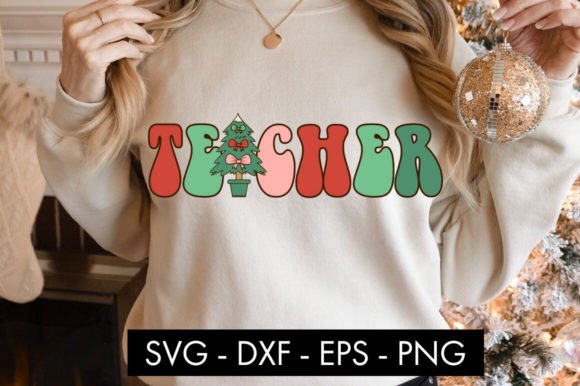
As someone who stitches both for clients and my own shop, I see a lot of holiday-themed graphics. When I look at this Teacher SVG Cut File PNG, my first thought is practical: is this something I can confidently stitch onto a real product, and will the result look as charming as the digital preview? The concept is immediately clear and delightfully simple—a Christmas tree replacing the 't' in 'teacher'. It creates a warm, festive, and slightly playful mood, perfect for the holiday season but still respectful of the profession. The visual personality is friendly and graphic, not overly sentimental.
Where This Design Finds Its Perfect Home
The layout, with its integrated tree, feels destined for a medium-sized embroidery area. It naturally belongs on gifts and products meant for a teacher, or perhaps for a teacher themselves to wear or use. In my mind, I’m already picturing it stitched onto a canvas tote bag for carrying holiday treats to school, or as a central motif on a cozy sweatshirt for a classroom holiday party. It would translate beautifully onto a tea towel or a pillow cover for a teacher’s home. For a small business like mine, this design has clear potential for custom apparel orders during the November and December rush—parents often want personalized holiday gifts for their children’s educators.
For boutique products or Etsy listings, this design elevates a simple item. An embroidered patch featuring this motif could be applied to a backpack or apron, creating a unique, handmade presentation. The recognition factor is high; it’s instantly understandable, which boosts giftability and customer engagement. From a commercial embroidery perspective, it’s a solid digital asset for creating holiday-themed merchandise.
Navigating the Stitching Realities
Now, let’s talk about how this Teacher SVG Cut File PNG would perform in the hoop. The charm lies in the details, but details require careful execution. The Christmas tree shape, likely with its layered branches, will need good stabilizer to maintain crisp edges, especially on stretchy fabrics like sweatshirts or on curved surfaces like caps. I’d be particularly mindful of the small points and corners on the tree.
The lettering, with one letter cleverly replaced by an object, is generally clear. However, the remaining letters, especially if they are rendered in a satin stitch, need adequate spacing to prevent thread bleeding on textured fabrics. On dark fabric backgrounds, thread color contrast is paramount—a bright green tree and white or red letters would pop, but I’d always test on scrap fabric first to confirm. The stitch density in the tree fill stitch, if present, must be balanced; too dense on a thin fabric like a baby item or t-shirt could lead to puckering.
Scenarios That Demand Extra Care
There are places where I would use this design carefully, or perhaps scale it accordingly. Tiny hoop sizes might compress the design too much, losing the clarity of the tree’s shape and the word. Embroidering it onto a detailed corner of a blanket or on a layered garment like a jacket collar would require precise placement planning. Products that need frequent washing, like kitchen towels or kids’ apparel, need robust stitching; checking that small decorative accents are secure is a key step.
For digital product sellers offering printable mockups or using this as part of a larger design asset, the clean graphic nature works well. But for physical embroidery, the transition from PNG/SVG to machine embroidery file is critical. One must always confirm the specific stitch counts, hoop size compatibility, and whether the design includes applique elements or is purely stitch-based. This information isn’t provided here, so checking with the file source is an essential step before starting any project.
A Professional's Practical Notes Before Hooping
Before I commit this design to a client’s order or a batch of shop merchandise, my process involves a few checks. First, I would run a test stitch on a scrap of the intended fabric—both a light and dark version if I plan to offer both. This reveals how the thread colors interact and how the fabric texture accepts the stitches. I’d inspect the small details in the test piece: are the tree’s lines distinct? Does the word read clearly at the intended size?
Second, I consider the end-use. Is this for a one-off personalized gift, or for commercial embroidery on multiple items for my craft business? This dictates my choice of materials and time investment. Importantly, I always confirm the licensing terms of the original digital file before selling finished products. Knowing whether I have permission for commercial use is fundamental to professional practice and customer trust.
Finally, I think about brand consistency. If my shop specializes in clean, modern embroidery, this festive design fits a seasonal collection. Its handmade feel, when executed well, adds value and professionalism to the final product. A well-embroidered version of this design on a high-quality tote or apparel item feels thoughtful and premium, not generic.
The Bottom Line for Makers and Entrepreneurs
This Teacher SVG Cut File PNG presents a strong, festive concept that translates well into the world of physical embroidery. It’s a design that, with proper technique, can produce a delightful holiday product for teachers. Its appeal is broad enough for hobbyists making a single gift, and scalable enough for small business owners looking to add a seasonal item to their Etsy shop or craft fair table.
The key is to approach it with a maker’s realism: respect the details, prepare your materials (stabilizer, appropriate thread colors, correct hoop), and always test first. By doing so, you transform a clever graphic into a cherished embroidered finished product. It’s these practical steps that ensure the charming Christmas tree ‘t’ stands proud and clear, making both the giver and the recipient smile.