Somebody’s Feral Teacher: A Designer's Embroidery Review
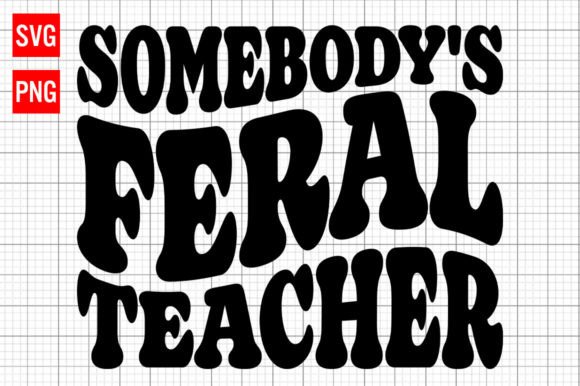
When you download a new design like “Somebody’s Feral Teacher” SVG, the first thing you do, as a working designer, isn’t just open the file. You visualize it stitched out. You imagine how it will look on fabric, what mood it conveys to a customer, and whether it’s worth the time and thread. This particular design, with its playful, slightly mischievous title, immediately sets a tone. It’s conversational, humorous, and personal. Visually, from the file preview, it suggests a bold, graphic style that leans towards modern applique or crisp satin stitch borders. It feels like it belongs on something worn or used—a statement piece rather than delicate decor.
The Immediate Fit: Where This Design Feels Right at Home
My mind goes straight to a custom embroidered tote bag or a relaxed-fit sweatshirt. There’s a casual, confident energy here that fits everyday apparel and accessories perfectly. I can easily picture it as a centerpiece on a canvas tote for a teacher—or, frankly, anyone who appreciates that “feral” educator spirit. It would also make a fantastic, lighthearted patch for a backpack or a denim jacket. For small business owners and Etsy sellers, this design translates into products that have a strong personality. It’s a gift-ready item, something that feels handmade and specific, not generic.
Consider it for baby items too, like a playful bib or a toddler tee, if the theme aligns with the recipient’s sense of humor. For boutique merchandise, it adds a conversational element that can engage buyers looking for something unique. The layout, assuming it’s clean and graphic, should translate well into embroidery without requiring excessive stitch density, making it suitable for a variety of projects without overloading lighter fabrics.
Navigating the Practical Stitching Terrain
In a real embroidery situation, the success of any graphic design hinges on clarity. For “Somebody’s Feral Teacher,” I’d be paying close attention to the detail level in the provided files. The SVG and PNG formats are versatile, allowing for scaling, but the true test is in the stitch-out. Before committing to a client’s sweatshirt or a batch of tote bags for a craft fair, I always run a test on scrap fabric of a similar weight and texture. This reveals everything: how small lettering holds up, how corners turn, and whether any areas become too dense.
This design likely thrives on medium to larger hoop sizes. Trying to cram it onto a small, curved surface like a cap might compress those graphic elements and lose the impact. On textured fabrics like sweaters or towels, a good stabilizer is key to keeping the design crisp. On dark fabrics, the visual appeal depends entirely on thread color contrast—a bold, light thread palette would be essential here to maintain that playful mood.
Where Caution is the Best Policy
Even the most charming designs have their limits. For “Somebody’s Feral Teacher,” I’d be cautious on thin, stretchy fabrics unless using a very robust stabilizer, as the design’s personality relies on a clean presentation. Similarly, on items that need frequent washing, like kitchen towels or baby clothes, opting for a simpler stitch execution (maybe avoiding tiny fill stitch details) would ensure longevity. The “feral” spirit shouldn’t fray away after a few washes.
For apparel decorators, placement is crucial. This isn’t a tiny, subtle accent. It’s a statement. On a t-shirt, consider the chest or back panel where it can breathe. On an apron, it’s a perfect central motif. The goal is to let the design’s visual personality shine without fighting with seams or garment curves.
Beyond the Stitches: Value, Trust, and Presentation
How does a design like this affect the finished product’s value? For handmade shop owners and creative entrepreneurs, it adds a layer of recognizable, relatable content. It tells a story, which builds buyer engagement. A customer seeing this on a tote bag isn’t just seeing a bag; they’re connecting with a shared sentiment. That builds trust and can turn a simple item into a cherished gift.
For brand consistency, if your shop leans towards humorous, conversational, or educational themes, this design can be a strong asset. It feels professional not because it’s overly formal, but because it’s well-executed and intentional. In printable mockups for your Etsy listings or digital product previews, a clean graphic file like this presents beautifully, suggesting quality to potential buyers before they even see a stitched sample.
A Designer’s Notes for Your Project
Before you load this embroidery file into your machine for a real project, here’s my practical checklist, born from years of turning digital files into physical products:
- Test First, Always. Use scrap fabric that mimics your final project material. Observe stitch density, especially in any filled areas.
- Color Contrast is Key. Play with thread colors on both light and dark fabric backgrounds in your software or a quick test. The mood of “Somebody’s Feral Teacher” can shift dramatically with color choice.
- Hoop Size Matters. Scale the design thoughtfully. Ensure it fits your intended hoop without compromising detail clarity, particularly in any text elements.
- Inspect Small Details. Open the SVG and PNG files fully. Look for any intricate corners or tiny lines that might need stitch type adjustment (e.g., switching a potential fill to a running stitch for clarity).
- Stabilizer is Your Silent Partner. Match your stabilizer to the fabric weight and stretch. This design’s appeal relies on clean edges.
- Commercial Use Clarification. The product description provided notes the file formats but not the license terms. Before selling finished items or using this design in commercial embroidery projects, confirm the licensing permissions. This is a critical step for digital product sellers and craft businesses.
Ultimately, “Somebody’s Feral Teacher” SVG strikes me as a design with strong potential for personalized gifts and small shop merchandise. Its graphic nature suggests it will stitch out cleanly, and its thematic personality creates immediate connection. By approaching it with a designer’s practical eye—testing, adapting, and placing it wisely—you can transform this digital asset into finished products that feel both handmade and professionally engaging, exactly what today’s crafters and customers appreciate.