Half Coffee Half Teacher: A Design Review for Real-World Embroidery
When you come across a design like Half Coffee Half Teacher SVG Design, it's not just a file you download—it's a potential project waiting to be judged for its real-world viability. As someone who stitches for clients, small shops, and my own craft business, my first question is always: how will this actually look after the needle hits the fabric?
The Immediate Charm & Practical Personality
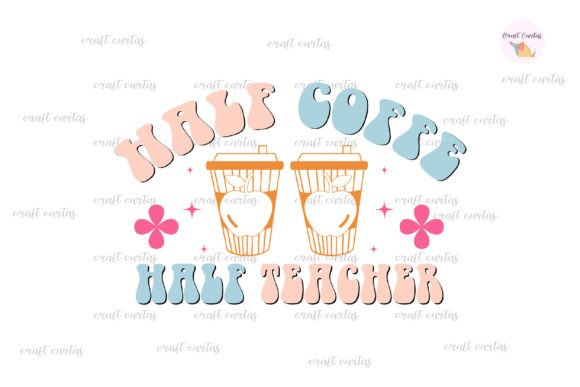
This design has a clear, split-personality charm. The theme is instantly relatable, tapping into that universal truth about educators needing their fuel. It’s friendly, a bit humorous, and feels personal without being overly sentimental. The layout is balanced and straightforward, which from an embroidery standpoint is a great starting point. There’s no overly fussy detail that would turn into a stitching nightmare, but enough visual interest to create a finished product that looks considered and professional.
My mind immediately goes to gifts. This isn't just a generic graphic; it feels like a design destined for a personalized mug wrap, a custom tote bag for a teacher’s conference, or an embroidered patch on a new planner cover. For small business owners, especially in the crafts and graphics space, that giftability is a key value driver. It suggests a finished product someone would actually buy to give, not just make for themselves.
A Scenario: The Custom Teacher Tote Bag
Imagine you’re preparing an order for a boutique that sells personalized teacher gifts. They want an embroidered canvas tote that feels special but also durable and washable. You load the Half Coffee Half Teacher embroidery file. The split-circle concept is strong; it’ll allow for clear color blocking—perhaps dark browns and blacks for the coffee side, brighter colors for the teacher side. The clean lines mean you can confidently choose a satin stitch for the outlines and a fill stitch for the larger areas without worrying about tiny, disappearing details. The result? A tote that looks clean, reads well from a distance, and carries a story. That’s the kind of product that builds customer trust in your embroidery work.
Performance Across Real Embroidery Projects
Let’s talk about where this design shines and where you might need to plan carefully.
For custom apparel like sweatshirts or t-shirts, the design’s moderate detail level is a benefit. On a knit fabric, you’d want a good stabilizer to prevent distortion, but the shapes aren’t so dense that they’d cause excessive puckering. It would translate beautifully to a embroidered patch, appliquéd onto a backpack or a cap—the bold division between halves makes it highly recognizable even as a smaller piece.
For home goods like pillow covers or kitchen towels, it adds a touch of personality without being kitschy. It’s a strong candidate for baby embroidery on a onesie if it’s for a teacher-mom, but here scale is crucial: you’d need to size it appropriately so the text remains legible on a tiny garment. On dark fabric, you’d need to think about thread color contrast—a white or light fill for the teacher side might pop beautifully.
From a commercial perspective, this design is a versatile digital embroidery file asset. For Etsy sellers creating digital product previews or printable mockups, the clean SVG and PNG formats are essential. They allow you to showcase the design on various products in your listings convincingly, helping with buyer engagement before they even commit to the stitched version.
Points for Careful Consideration
No design is perfect for every single application, and a professional review must note where a bit of forethought is needed.
The success of this design hinges on clarity. If you're stitching it very small—say, on the curved surface of a cap or a detailed corner of a baby blanket—you must inspect the small details, particularly any text elements. Tiny lettering can become blurry if the stitch density isn't adjusted. Always test on scrap fabric first.
Textured fabrics like thick towels or napped fleece might obscure the clean lines of the split circle. For products that need frequent washing, like aprons, consider using robust threads and potentially simplifying the fill stitches to reduce wear points. The design is bold, but on thin or stretchy fabric, you’ll need to be meticulous with your stabilizer choice to maintain that boldness without distortion.
Ultimately, its strength—the clear, two-part concept—also means you should carefully choose your project’s backdrop. It might get visually lost on a busy, patterned fabric, but on a solid color, it will command attention.
How It Elevates Your Craft Business
Using a design like this isn’t just about completing an order. It’s about the finished product’s visual appeal and perceived value. A clean, well-executed embroidery of this theme on a sweatshirt looks professional. It tells your customer—and their recipient—that thought went into it. This builds your brand consistency as a maker who delivers quality. For creative entrepreneurs, that’s what turns one-off projects into repeat business.
It’s also highly adaptable for holiday gifts or end-of-year teacher appreciation, making it a seasonally relevant item in your shop. The recognition factor is high; people understand it immediately, which makes it an easy sell at craft fairs or in small shop merchandise.
Practical Notes for the Embroidery Designer
Before you commit this design to a final project, run through your usual checks. Hoop a scrap of your intended fabric—test it. Check your thread color palette against both light and dark backgrounds; sometimes a design that looks good in a digital mockup needs adjustment in real thread. Review the stitch path in your software; ensure the split in the design translates to a clean stitching sequence.
Since the product description notes it includes multiple file types suitable for cutting machines, remember that this versatility is a boon. You could use the SVG to create an appliqué base, then embroider over it for a mixed-media effect. However, a crucial final step: always confirm the licensing terms. Before selling finished items or using it in commercial embroidery projects, understand your rights. The files are your design assets, but their usage rules define your business peace of mind.
In the end, Half Coffee Half Teacher SVG Design presents itself as a practical, charming, and commercially viable option. It’s not the most complex design you’ll ever stitch, but that’s often its advantage. It leaves room for your skill to shine through in the execution, resulting in a handmade product that feels both thoughtful and professionally made—the exact combination that sustains a thriving craft business.