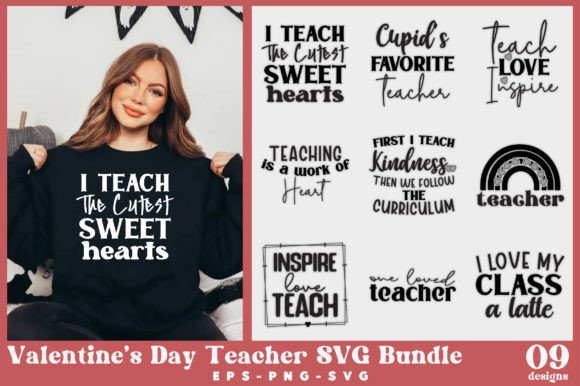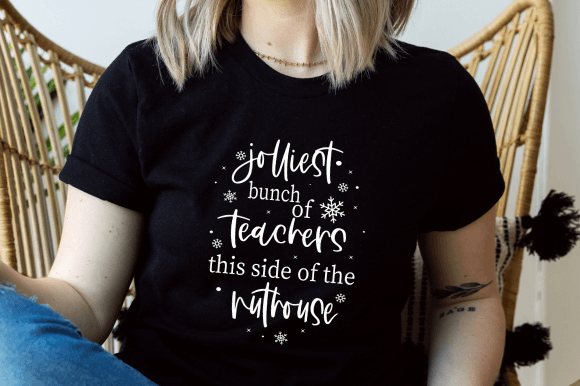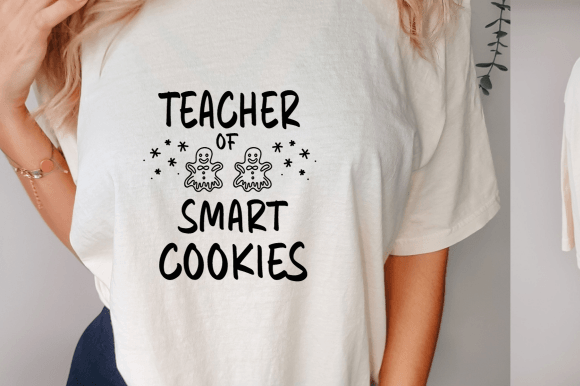
Evaluating the 'Teacher SVG, Christmas' Design for Real Embroidery Projects
Whenever a new design file lands in my project folder, the first thing I do is look past the digital preview and imagine how it will look as stitches on fabric. The Teacher SVG, Christmas design immediately presents itself as a classic holiday sentiment with a specific, heartfelt audience. It’s not a generic snowflake; it’s a direct message. This creates a mood of warm, personal appreciation—perfect for the kind of project where the thought behind the gift is as important as the craftsmanship.
First Impressions: A Layout Built for Clarity
The visual personality here is friendly and straightforward. The theme is clear: a holiday tribute to educators. The layout, from what I can assess, seems designed for clean stitching. This is crucial. When I’m embroidering for a client or for my own small shop merchandise, a design that translates cleanly from screen to thread saves time, material, and prevents customer disappointment. A design like this naturally belongs to projects meant as personalized gifts or small business merchandise for the holiday season—think teacher gifts from a class, or items sold by crafters targeting the school community.
I picture this on an embroidered tote bag for a kindergarten teacher, or stitched neatly onto the cuff of a sweatshirt. The detail level appears balanced; it likely won’t be overwhelmingly dense, which makes it suitable for a variety of items, from aprons and pillow covers to kitchen towels. The shape and composition suggest it will hoop well and sit comfortably on a finished product without feeling cramped or awkward.
Where This Design Performs Beautifully
In real-life embroidery situations, this is a design I’d confidently use for client projects requiring a professional, heartfelt finish. For custom apparel like t-shirts or sweatshirts given as holiday gifts from students, the recognition is instant and the emotional appeal high. It would stitch up nicely on a sturdy tote bag, becoming a useful and cherished item. As a small business owner, I can see this design working well for limited-run holiday merchandise in an Etsy shop or at a craft fair—perhaps on baby items like a onesie for a teacher’s new child, or on a simple patch that could be applied to a notebook or laptop sleeve.
Its strength lies in its specific audience. This isn't a design for everyone, but for that niche, it’s perfect. That specificity boosts product value and customer trust. When a buyer sees a handmade product that speaks directly to their situation, the connection is stronger. For giftability, it’s a winner. An embroidered pillow cover or tea towel with this sentiment feels more considered than a store-bought card.
Scenarios for Maximum Impact
- Boutique Holiday Collections: A small shop could create a coordinated line—a mug, a towel, and an apron—all featuring this embroidery, marketed as “Teacher Holiday Gift Sets.”
- Personalized Client Orders: An apparel decorator could offer it as an option for PTA groups wanting custom embroidered polos or caps for a holiday teacher appreciation event.
- Printable Mockups & Digital Assets: For digital product sellers, this embroidery file serves as a strong, clear asset for creating compelling preview images that clearly communicate the final finished product.
Careful Considerations for Stitching Success
While the design appears straightforward, practical judgment is always needed. The potential pitfalls aren’t about the design’s theme, but about its execution on various materials. Any tiny lettering or very fine decorative accents within the design need special attention. On textured fabrics like some sweatshirt materials, or on stretchy fabric, small details can lose clarity without proper stabilizer and stitch type adjustment.
I would be cautious using this on very small hoop sizes. If the design is scaled down too much for a baby garment or a cap’s curved surface, the stitching might become crowded and lose its clean appeal. Dark fabric requires careful thread color contrast planning—a white or bright metallic thread might be necessary to maintain visual punch. For products that need frequent washing, like kitchen towels or baby clothes, I’d consider a slightly simplified stitch version if the file offers options, to ensure longevity.
Dense stitch areas, if present, can make a design feel heavy on lightweight fabrics like t-shirts. Always test.
The Designer's Practical Notes Before Hooping
My process with any new design, including Teacher SVG, Christmas, involves a few non-negotiable steps. These aren’t just technicalities; they’re what ensure the final product reflects the quality your brand or your personal craft represents.
- Test on Scrap Fabric First: Use the exact fabric type you intend for the final project. This reveals how the stitch density interacts with the material and whether any fill stitch or satin stitch areas behave as expected.
- Check Thread Color Contrast: View the design in black and white mockups to assess value contrast. Then, physically test a few key thread colors on both light and dark fabric backgrounds.
- Review for Commercial Use: Since the product description mentions use for craft ideas and various products, I must confirm licensing before selling finished items. The description suggests broad use, but I always verify the specifics to protect my craft business.
- Inspect the Small Details: Hoop a test piece and stitch a section containing the smallest elements. Are they clear? Do they require a change in needle or thread weight?
- Match the Design to the Product’s Function: An embroidered patch for a bag needs robust stitching. A design on a delicate nursery decor pillow might prioritize softer looks. Assess accordingly.
A Real Case: The Custom Embroidered Tote
Let’s walk through a real scenario. A client orders twenty custom tote bags as holiday gifts for their school’s staff. I select a sturdy canvas. My first thought with the Teacher SVG, Christmas file is to check the overall size against the tote’s panel. I’ll likely need a medium hoop. I test on scrap canvas to see how the design handles the fabric’s weave. I choose a rich red and green thread palette, but I also test a gold thread accent to see if it elevates the holiday feel. The stitching clarity is paramount here—these bags are public, wearable statements of appreciation. A blurred or poorly contrasted stitch would undermine the gift’s intention. After testing, I proceed, confident that the design’s layout will produce a professional, handsome result that the client and the recipients will love. This is where a good embroidery file proves its worth—not just as a digital graphic, but as a reliable blueprint for a tangible, emotional product.
Ultimately, the Teacher SVG, Christmas design file, from a practical designer’s viewpoint, is a solid asset for creators targeting a specific, emotionally engaged market. Its value isn’t in complexity, but in appropriate clarity and theme. When stitched with care on suitable products, it enhances visual appeal, supports brand consistency for shops specializing in educator or holiday items, and drives buyer engagement by speaking directly to a heartfelt need. It reminds us that in the world of machine embroidery design, the most effective files are often those that help us tell a clear, kind story with every stitch.