Evaluating Teacher T-shirt Design 163 for Real Embroidery Projects
First Impressions: A Design with Authentic Character
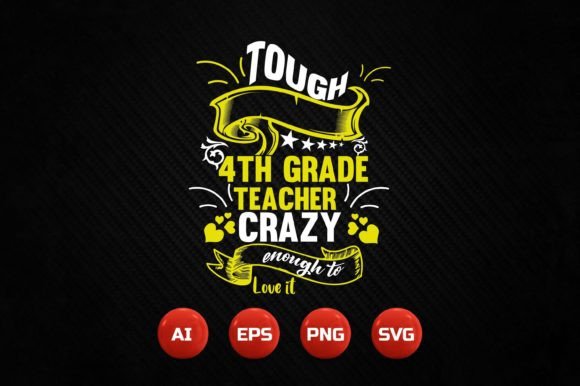
When I first opened Teacher T-shirt Design 163, my immediate thought was, "This feels honest." The phrase "TOUGH 4TH GRADE TEACHER CRAZY ENOUGH TO LOVE IT" isn't just text slapped onto a shirt; it's a statement with personality. The layout and styling suggest a design that’s meant to be seen, to be worn with a bit of pride and a knowing smile. It creates a mood of affectionate resilience—perfect for celebrating the unique challenges and joys of teaching. For embroidery, this isn't a delicate, subtle motif. It's a declaration, and that visual personality means it belongs on projects where you want the message to be the star.
The Natural Habitat for This Embroidery Design
In my mind, I immediately pictured this design stitched onto a soft, heavyweight sweatshirt for a teacher friend heading into a new school year. But its application is broader. This design thrives on substantial, everyday items. Think of a durable canvas tote bag for carrying papers, a cozy throw pillow for a classroom reading corner, or a crisp apron for messy science projects. It would make a fantastic, personalized gift embroidered on a kitchen towel or a blanket. For small business owners and Etsy sellers, this translates into ready-made merchandise that resonates—a simple, well-embroidered t-shirt or cap with this sentiment can speak directly to a niche community and carry genuine value.
Where This Design Finds Its Strength
The beauty of Teacher T-shirt Design 163 lies in its straightforward, bold statement. As a graphics file described as having vector shapes and easy color change, it suggests a clean base for embroidery digitization. This means the core elements—likely the lettering and any supporting graphics—should translate into clear satin stitches for text and solid fill stitches for larger shapes. The potential for easy color change is a practical boon for embroidery designers; you can adapt the thread palette to match school colors, personal preferences, or fabric backgrounds without reworking the fundamental design. This flexibility makes it a versatile asset for custom apparel and personalized gifts.
Navigating the Practicalities of Stitching It Out
Embroidery is a translation from screen to fabric, and that's where professional judgment comes in. While the provided file formats are ideal for digitizing and editing, the real test happens in the hoop. For a design centered on text, clarity is paramount. The phrase "TOUGH 4TH GRADE TEACHER" has weight; the smaller text "CRAZY ENOUGH TO LOVE IT" requires careful attention. On textured fabrics like some sweatshirt materials or the weave of a tote bag, tiny lettering can lose definition if the stitch density isn't optimized. On stretchy fabrics like t-shirts, adequate stabilizer is non-negotiable to prevent puckering around those dense fill areas.
A scenario I often run through: Imagine embroidering Teacher T-shirt Design 163 on a dark fabric, like a navy blue cap. The visual appeal hinges entirely on thread color contrast. A bright, contrasting thread color would make the design pop and maintain stitching clarity, while a poorly chosen hue could render it muddy. Always test on scrap fabric first. This step reveals how the design performs on your specific material—it lets you inspect small details, check for any overly dense stitch areas that might stiffen the fabric, and confirm that your chosen hoop size accommodates the entire design comfortably.
Caution Zones for a Smooth Embroidery Project
This design, with its likely bold and detailed elements, should be used carefully on very small hoop sizes. Compressing it might sacrifice legibility. Similarly, on thin fabrics or delicate baby clothes, the stitch density needed for a bold statement could overwhelm the base material, making it feel stiff. Layered garments with curves, like caps, require expert digitization to ensure the design sits correctly on the curved surface without distortion. The commercial embroidery or craft business success of a finished product using this design depends on this technical execution. A clean, professional stitchout builds customer trust and elevates the handmade presentation.
From Digital File to Finished Product: The Designer's Notes
My process for a design like Teacher T-shirt Design 163 always involves a black and white mockup, even before threading the machine. This helps me see the pure layout and balance without color influencing my perception. Comparing how it looks on both light and dark fabric backgrounds in a digital preview informs my thread choices. As an embroidery designer preparing a client project or small shop product, I consider the end-use. Will this embroidered patch on an apron need frequent washing? If so, the thread and stabilizer choices must endure. Is this for a holiday gift? Then the timing and presentation matter.
For creative entrepreneurs and digital product sellers, the "100 vector shapes" description indicates this is a robust design asset. It implies scalability and editability, which is excellent for creating printable mockups or integrating into broader branding. However, a crucial professional note: always confirm the licensing terms before selling finished items or commercial embroidery projects based on any purchased digital embroidery file. The description provided doesn't specify these terms, so checking this is a fundamental step to ensure your craft business or Etsy listings operate smoothly and ethically.
The Final Stitch: Value and Engagement in the Real World
At its heart, Teacher T-shirt Design 163 is more than a graphics file; it's a relatable concept. When embroidered well onto a quality product, it tells a story. That story enhances product value and buyer engagement. A teacher receiving this on a custom embroidered tote bag or pillow feels recognized. A customer at a craft fair buying it on a sweatshirt connects with the humor and heart. For the embroidery designer or small business owner, it represents a clear path from a digital asset to a tangible, meaningful finished product. Its success isn't about hype; it's about practical execution—choosing the right fabric, the right thread, the right stabilizer, and the right product form to let its authentic character shine through every stitch.